Cold Showers vs. Ice Baths: Which Is Better for Mental Resilience?
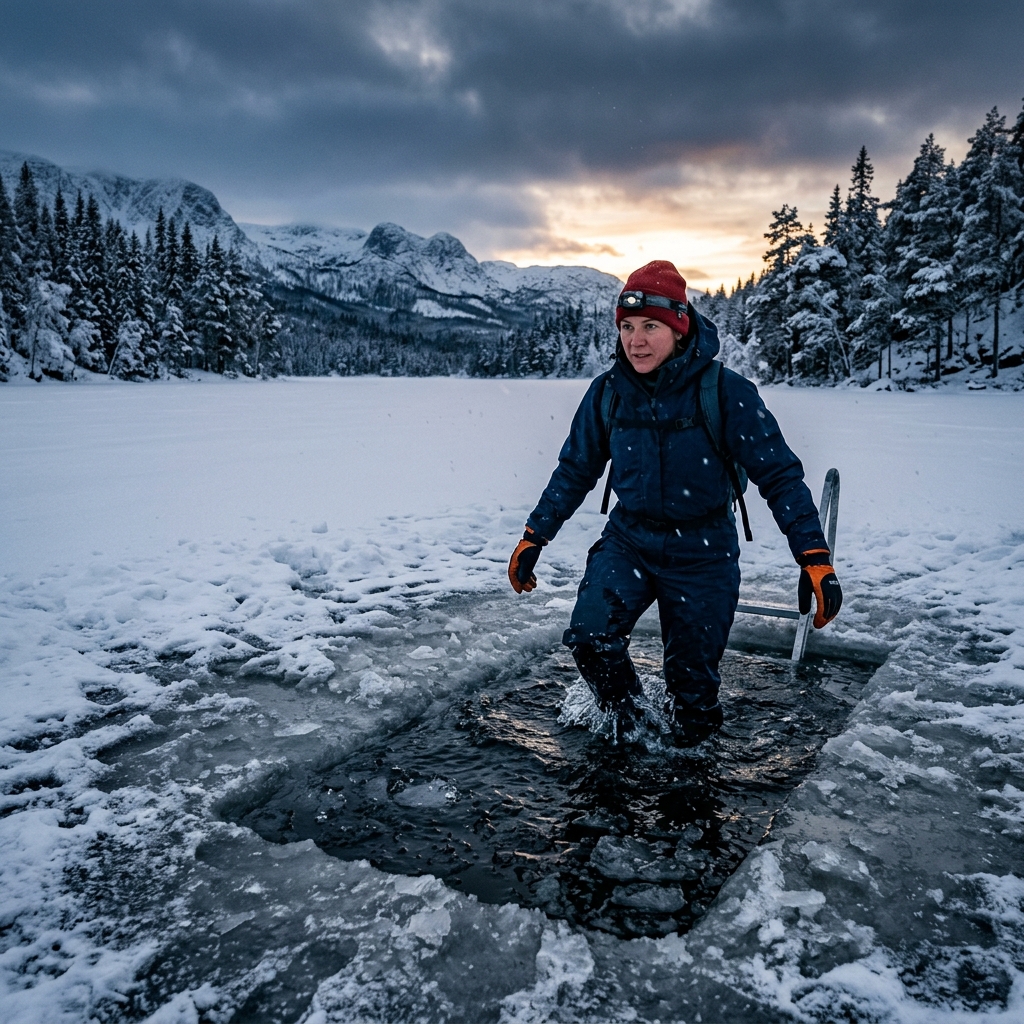
Cold water immersion has been a cornerstone of Nordic wellness for centuries. From the Finnish avanto—the tradition of ice swimming through a hole cut in a frozen lake—to Norwegian winter sea bathing, the Scandinavian relationship with the cold is built on a simple principle: voluntary discomfort builds involuntary resilience.
Today, science is catching up to tradition. Cold exposure is linked to massive increases in dopamine, improved metabolic health, and lowered systemic inflammation. But the most profound effects are psychological.
The Neuroscience of Cold
When cold water hits your skin, your body mounts a survival response. Norepinephrine spikes by up to 500%, and dopamine increases by 250%—levels comparable to the effects of certain pharmaceutical stimulants, but sustained over hours. This neurochemical cocktail is what produces the famous "cold high."
But beyond the immediate high, cold exposure trains your autonomic nervous system. By consciously staying calm while your body is screaming "panic," you are strengthening top-down control over your amygdala. You are literally training your brain to stay calm under stress.
Showers vs. Baths: The Breakdown
| Method | Temperature | Duration | Pros | Cons |
|---|---|---|---|---|
| Cold Shower | 10–15°C | 1–3 mins | Accessible, free, great for daily routine | Not cold enough for full physiological adaptation |
| Ice Bath / Lake | 0–5°C | 1–3 mins | Maximum neurochemical response, profound mental challenge | Requires setup, equipment, or access to nature |
The Mental Game: Why the Shock Matters
The moment before you step into the cold is often harder than the cold itself. That resistance is your brain anticipating discomfort. Overcoming that resistance—stepping in anyway—is a daily practice of courage. Every time you do it, you prove to yourself that you are capable of doing hard things.
- The First 30 Seconds: This is when the cold shock response hits. Your breathing will become shallow and rapid. Your only job is to slow your exhale.
- The Adaptation Phase: Around 30-60 seconds, your body accepts the temperature. A profound calm washes over you.
- The Afterdrop: When you get out, your body continues to cool. Warm up naturally through movement, not a hot shower, to maximize metabolic benefits.
"The cold is a noble teacher. It is merciless, but it is righteous. It will give you back every bit of courage you bring to it." — Wim Hof
Conclusion: Start Where You Are
You don't need an expensive ice bath to build resilience. Start with 30 seconds of cold at the end of your daily shower. Focus on your exhale. The Hvile app offers specific breathing protocols designed to help you down-regulate your nervous system during cold exposure. Try them on your next shower.