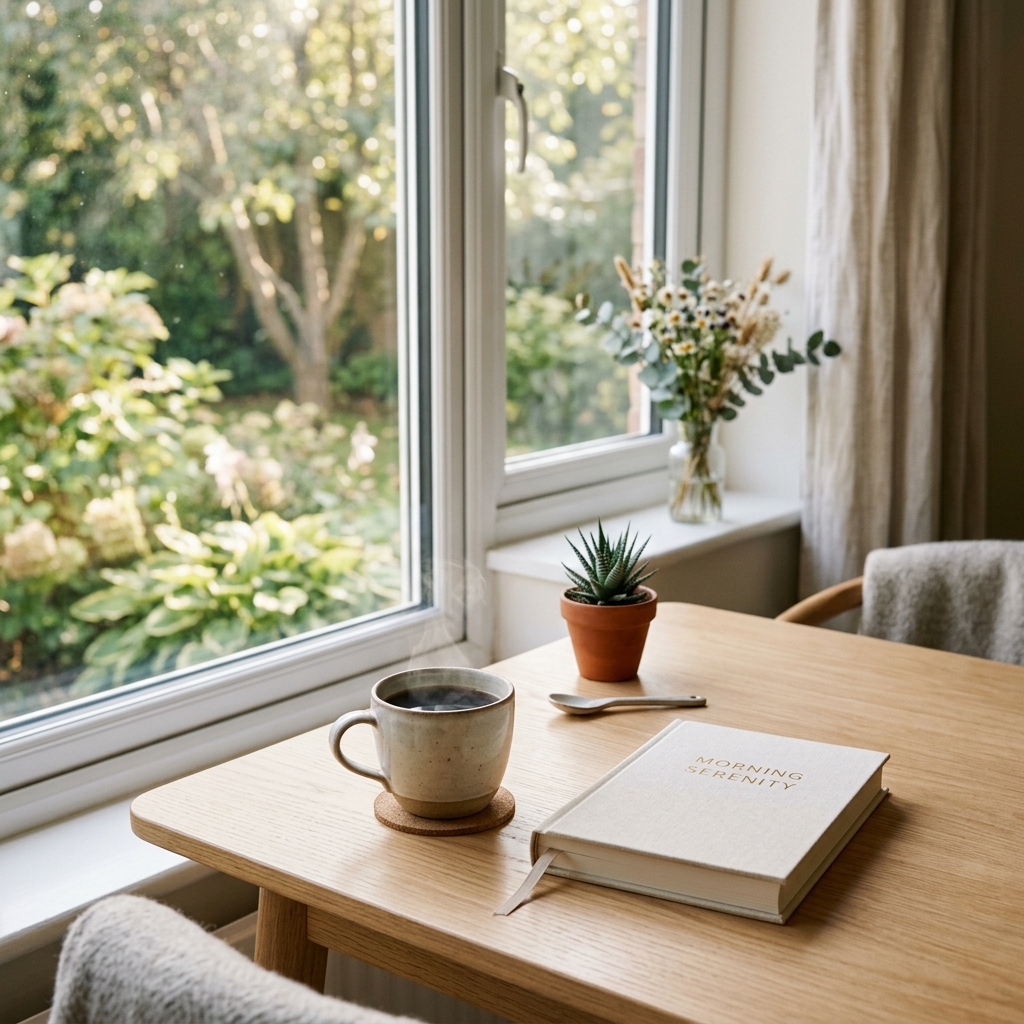
The Evening Tea Ritual: A Mindful Transition to Night

There is something quietly radical about making tea. In a world of instant gratification and frictionless consumption, brewing tea requires you to stop, to wait, to attend. You cannot rush a good steep. This enforced pause is not a bug—it is the entire feature.
Across cultures that have long prioritized rest and recovery—Japan, China, the Nordic countries, the British Isles—tea rituals occupy a central place in the evening. Not because tea is magical, but because the ceremony of tea is a powerful signal to the nervous system that the active day is ending and the quiet night is beginning.

The Physiology of a Good Wind-Down
Your body transitions from wakefulness to sleep through a gradual decrease in core temperature, a rise in melatonin, and a shift from beta brainwaves (active thinking) toward alpha and theta (relaxed awareness, early drowsiness). An evening ritual supports all three of these processes simultaneously:
- Temperature: Drinking a warm (not hot) beverage raises skin temperature slightly, which then causes heat to radiate from the hands and feet. This dissipation of heat mimics the natural core temperature drop that precedes sleep.
- Melatonin: Dim your lights while you make and drink your tea. Light suppression, especially blue light, allows melatonin to rise naturally.
- Brainwaves: The act of slow, sensory attention—watching steam rise, feeling the warmth of the mug, tasting carefully—anchors your attention in the present and out of the problem-solving loops that keep minds awake.
Choosing Your Tea for Night
| Tea | Key Compound | Effect | Notes |
|---|---|---|---|
| Chamomile | Apigenin | Mild sedative, reduces anxiety | Best studied sleep tea |
| Valerian Root | Valerenic acid | Reduces sleep latency | Strong flavor—blend with mint |
| Passionflower | Chrysin | Reduces anxious thoughts | Excellent for racing mind |
| Lemon Balm | Rosmarinic acid | Calming without sedation | Good for light, early evenings |
| Lavender | Linalool | Reduces heart rate and skin temperature | Aroma as potent as the tea itself |
Building the Five-Minute Tea Ceremony
The goal is not to create an elaborate ritual you won't maintain—it is to build a consistent, simple anchor. Here is a minimalist template that takes five minutes and requires no special equipment:
- Boil water slowly — while it heats, do nothing else. Stand by the kettle. Watch the steam.
- Set your mug with intention — choose one mug you love. The tactile pleasure of a good object matters.
- Steep for the full recommended time — don't rush it. This is the pause inside the pause.
- Take the first three sips in silence — no phone, no book. Just the tea, the warmth, and the quiet.
"Drink your tea slowly and reverently, as if it is the axis on which the whole earth revolves — slowly, evenly, without rushing toward the future." — Thich Nhat Hanh
Pairing Tea with a Wind-Down Routine
The tea ritual works best as the anchor of a broader Zone 3 wind-down (the 30-minute window before sleep). You might follow it with 10 minutes of reading fiction, a quick body scan, or simply sitting in candlelight. The tea marks the threshold: after this cup, I am no longer available to the day's demands.
Conclusion: The Cup as a Ceremony
You do not need a tea ceremony set, a special blend, or a dedicated room. You need five minutes, a mug you love, and the willingness to attend to the present moment without agenda. The Hvile app's evening ritual prompts are designed to complement this kind of sensory anchor—a gentle nudge to put down the day and pick up the quiet.