Gratitude Is Not Toxic Positivity: Here's the Difference
Gratitude has become a buzzword. We are told to "look on the bright side" and "count our blessings" even when going through profound grief, burnout, or stress. When gratitude is used as a tool to dismiss legitimate pain, it isn't gratitude at all—it's toxic positivity.
This misunderstanding has led many people to abandon gratitude practices entirely, which is a tragedy. Genuine gratitude is one of the most robustly validated psychological interventions we have for improving mental health.
Toxic Positivity vs. Genuine Gratitude
Toxic positivity demands that we feel good all the time. It is a denial of reality. Genuine gratitude, on the other hand, is the ability to hold two opposing truths at the same time: that life can be deeply difficult, and that it can also contain moments of beauty.
| Toxic Positivity | Genuine Gratitude |
|---|---|
| "Everything happens for a reason." | "This is incredibly painful, but I am thankful for the friend who sat with me today." |
| "At least you still have a job." | "I am exhausted by my job, and I also appreciate that it pays my bills right now." |
| "Don't cry, smile!" | "I allow myself to grieve, and I can still notice the sun shining outside." |
| Denies the negative | Acknowledges the negative, but consciously notices the positive too |
The Neuroscience of Gratitude
When you practice genuine gratitude, your brain releases dopamine and serotonin. More importantly, over time, a daily gratitude practice changes the neural pathways in your brain. Your brain has a natural "negativity bias"—it is velcro for bad experiences and teflon for good ones. Gratitude journaling actively trains the brain to scan the environment for positive inputs, slowly rebalancing this bias.
How to Practice It Authentically
- Be ultra-specific: Don't write "I am grateful for my family." Write "I am grateful for how my sister laughed at my terrible joke today." Specificity triggers a much stronger emotional response.
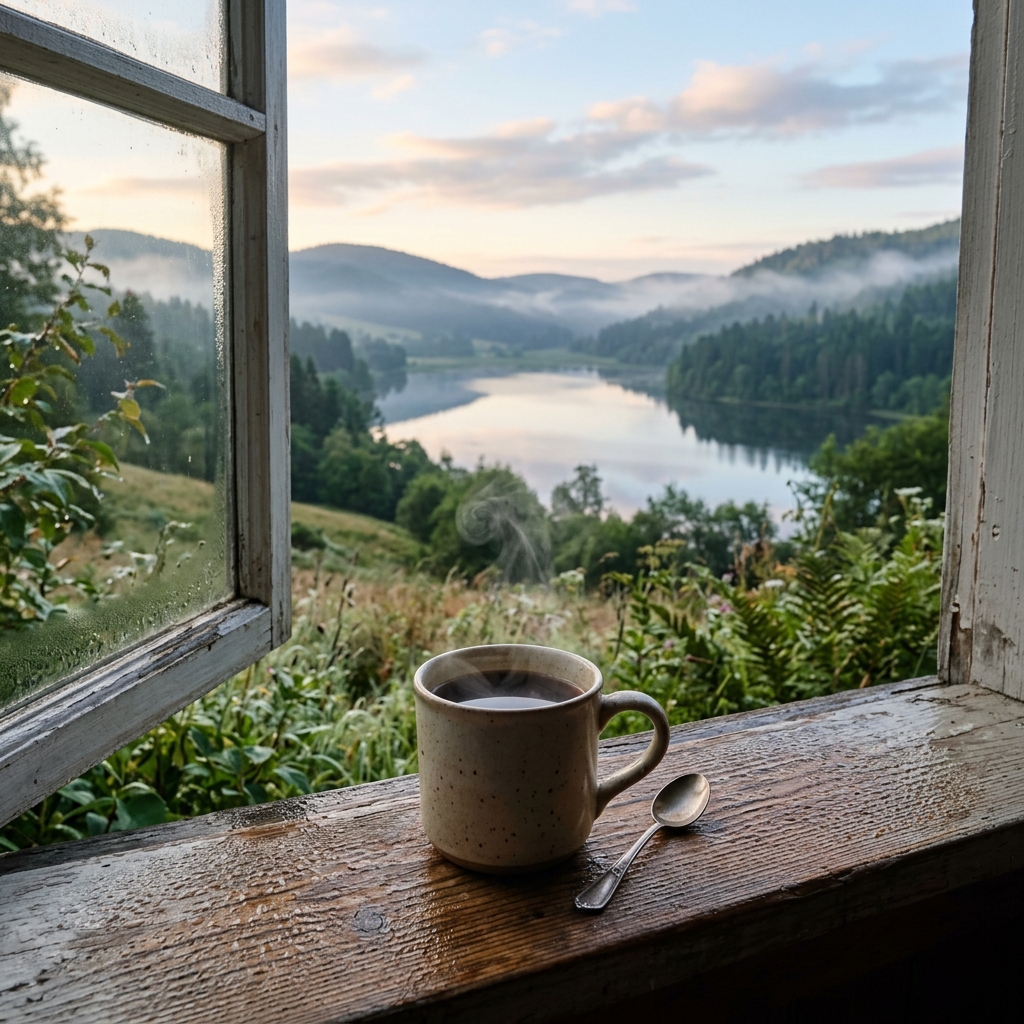
- Include the mundane: You don't need a grand event to feel grateful. A hot cup of coffee, a warm shower, or a comfortable chair are all valid.
- Allow the "And": Use the word "and" instead of "but". "I am stressed about my finances, AND I am grateful for this beautiful walk."
"Gratitude allows us to celebrate the present. It magnifies positive emotions and neutralises — without denying — the negative." — Robert Emmons PhD, UC Davis, Thanks! How the New Science of Gratitude Can Make You Happier
Conclusion: Start Small
You don't need to force yourself to feel grateful for the hard things in your life. Start by noticing the small, neutral or pleasant things. The Hvile app's daily journal includes a low-pressure gratitude prompt designed to help you find specific, authentic moments of appreciation without toxic positivity.