Blue Light and Sleep: What the Science Actually Says
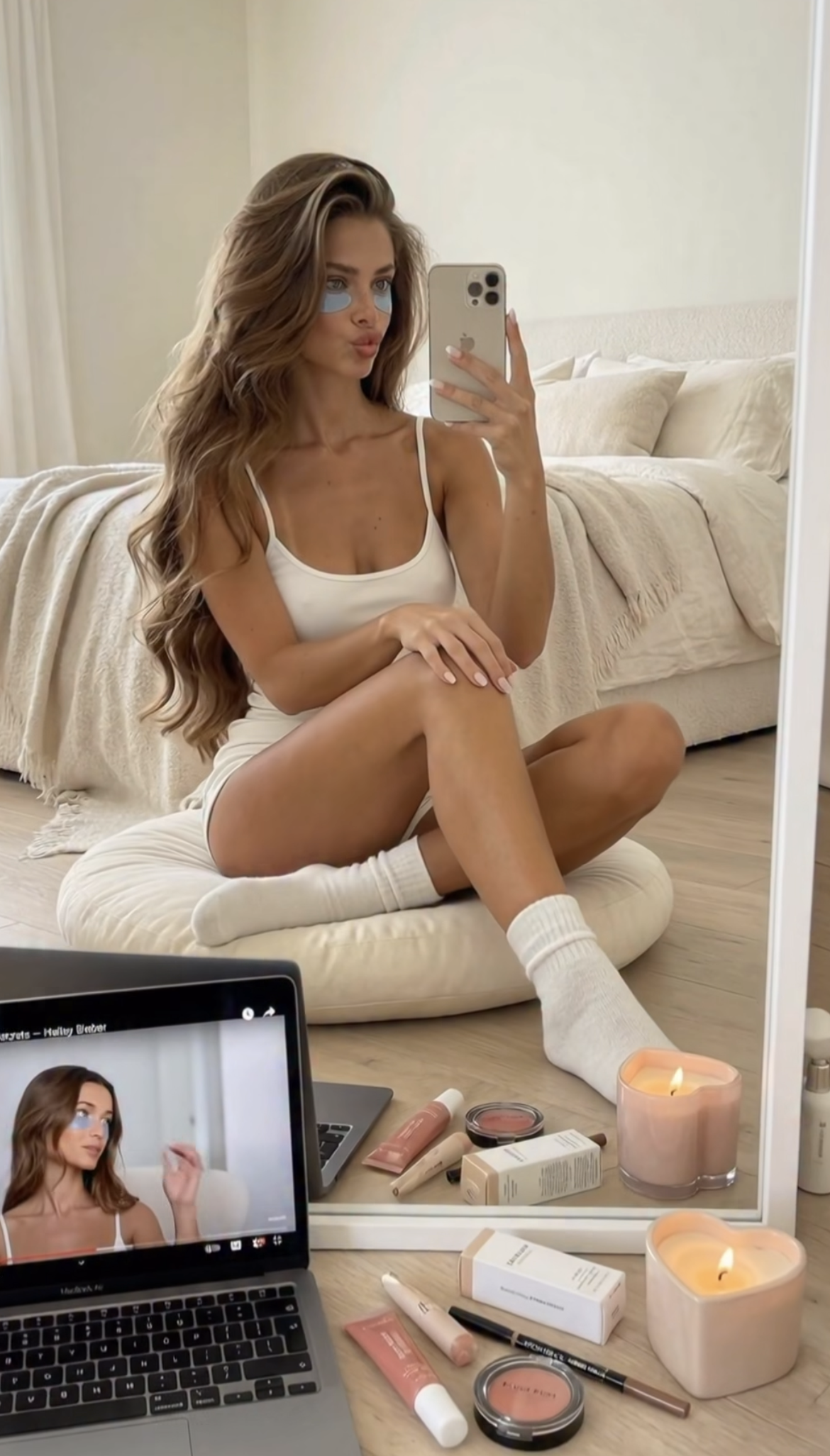
Few topics in sleep science have generated as much consumer anxiety as blue light. The blue-light-blocking glasses industry is now worth billions of dollars, driven by the widespread belief that the light emitted by screens is destroying sleep quality across the developed world. The reality is more nuanced—and in some ways, both more hopeful and more sobering than the headlines suggest.
What Is Blue Light, and Why Does It Matter?
Light exists on a spectrum, measured in nanometers (nm). Blue light falls roughly between 380–500nm and is a natural and necessary part of the visible spectrum. Sunlight is full of it. During the day, blue light exposure stimulates the suprachiasmatic nucleus (your biological clock) via specialized cells in the retina called intrinsically photosensitive retinal ganglion cells (ipRGCs). These cells are exquisitely sensitive to short-wavelength blue light, and when activated, they suppress melatonin production and increase cortisol and serotonin—keeping you alert and awake.
This is ideal during the day. At night, it is a problem.
The Research: What Blue Light Actually Does
| Study Finding | Institution | Practical Implication |
|---|---|---|
| Blue light exposure 2 hours before bed delays melatonin onset by ~90 minutes | Harvard Medical School | Screens before bed push your biological sleep window later |
| Blue-light-blocking glasses showed modest improvement in sleep onset (8.7 minutes) | University of Houston | Glasses help, but are not a complete solution |
| Psychological stimulation from content is more sleep-disruptive than the light itself | University of Glasgow | What you watch matters as much as the light you emit |
| Dim any light (not just blue) 2 hours before bed improves sleep quality | Brigham and Women's Hospital | The entire lighting environment matters, not just screens |
The Content Problem Is Bigger Than the Light Problem
This is the finding most blue-light marketing ignores: a 2019 University of Glasgow study found that the psychological arousal caused by social media and news content was a stronger predictor of poor sleep than the wavelength of light involved. Watching a stressful news clip in amber-filtered glasses still floods your brain with cortisol. The glass does not filter the emotions.
This is why our Digital Detox Blueprint focuses on what you consume in the hours before bed, not just what device you use to consume it.
Practical Blue-Light Protocol
- 2 hours before bed: Enable "Night Shift" or "Night Mode" on all devices (reduces blue light output by 30–50%)
- 90 minutes before bed: Switch overhead lights to warm-spectrum lamps (2700K or lower)
- 60 minutes before bed: Stop consuming stimulating content, regardless of device
- 30 minutes before bed: Ideally no screens at all — use this time for your evening tea ritual or reading physical books
"Artificial light at night is a disruptor of biological time. The human body was not designed to receive bright light signals after dark." — Charles Czeisler PhD MD, Harvard Medical School Division of Sleep Medicine
Should You Buy Blue-Light Glasses?
The evidence supports a modest benefit—particularly for people who work night shifts or genuinely cannot avoid screens in the 2 hours before bed. But they are not a substitute for the behavioral changes above. Think of them as a seatbelt: useful and worth having, but the real goal is not to need them.
Conclusion: The Full Spectrum Solution
Managing blue light is one piece of a larger sleep hygiene picture. The single highest-impact change you can make for your sleep is not buying glasses—it is establishing a consistent "digital sunset" time, after which your environment dims, your content calms, and your nervous system begins its nightly transition. The Hvile app's wind-down notification is built to help you hold this boundary.